Two fixes for one bad flue
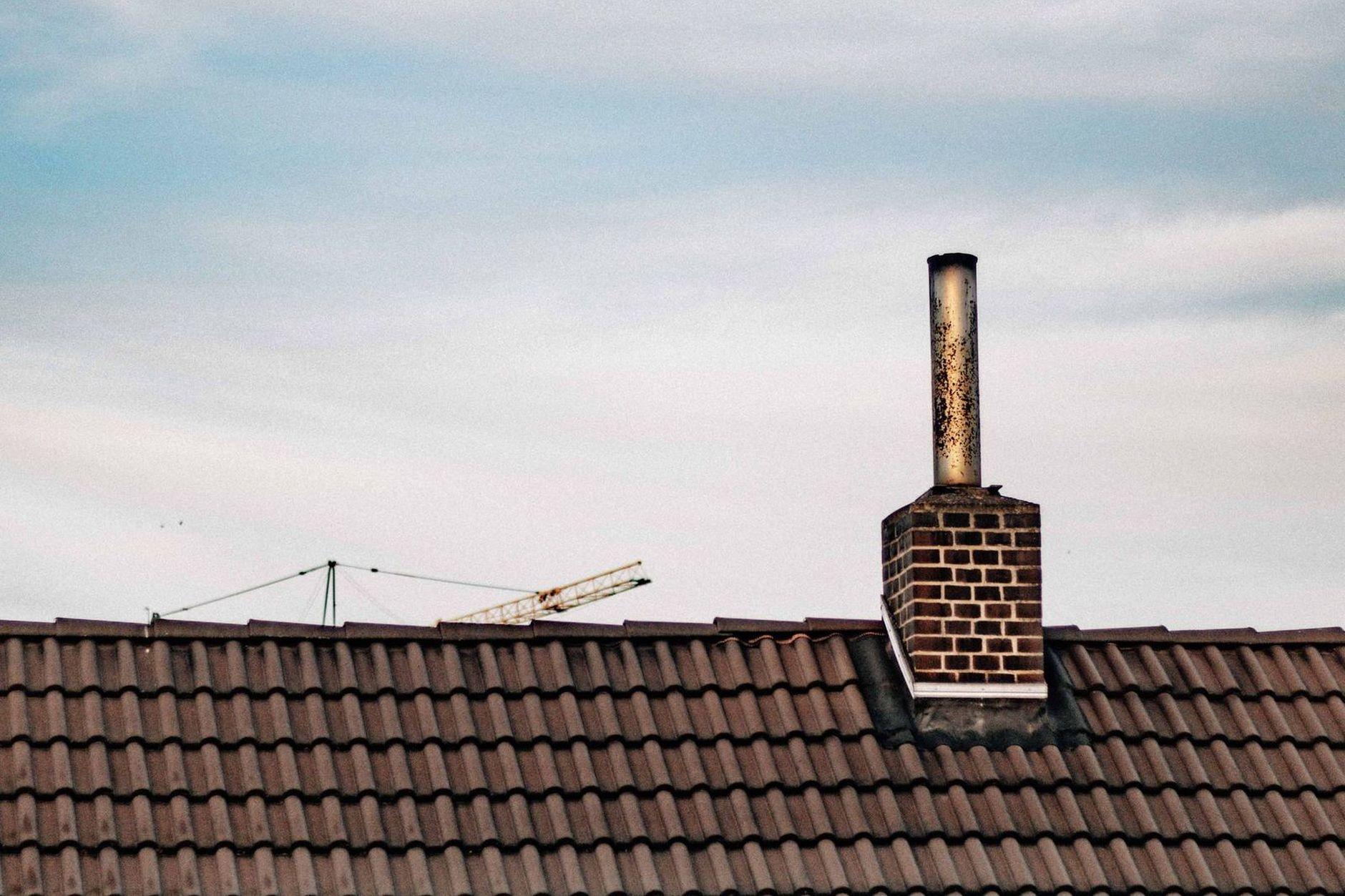
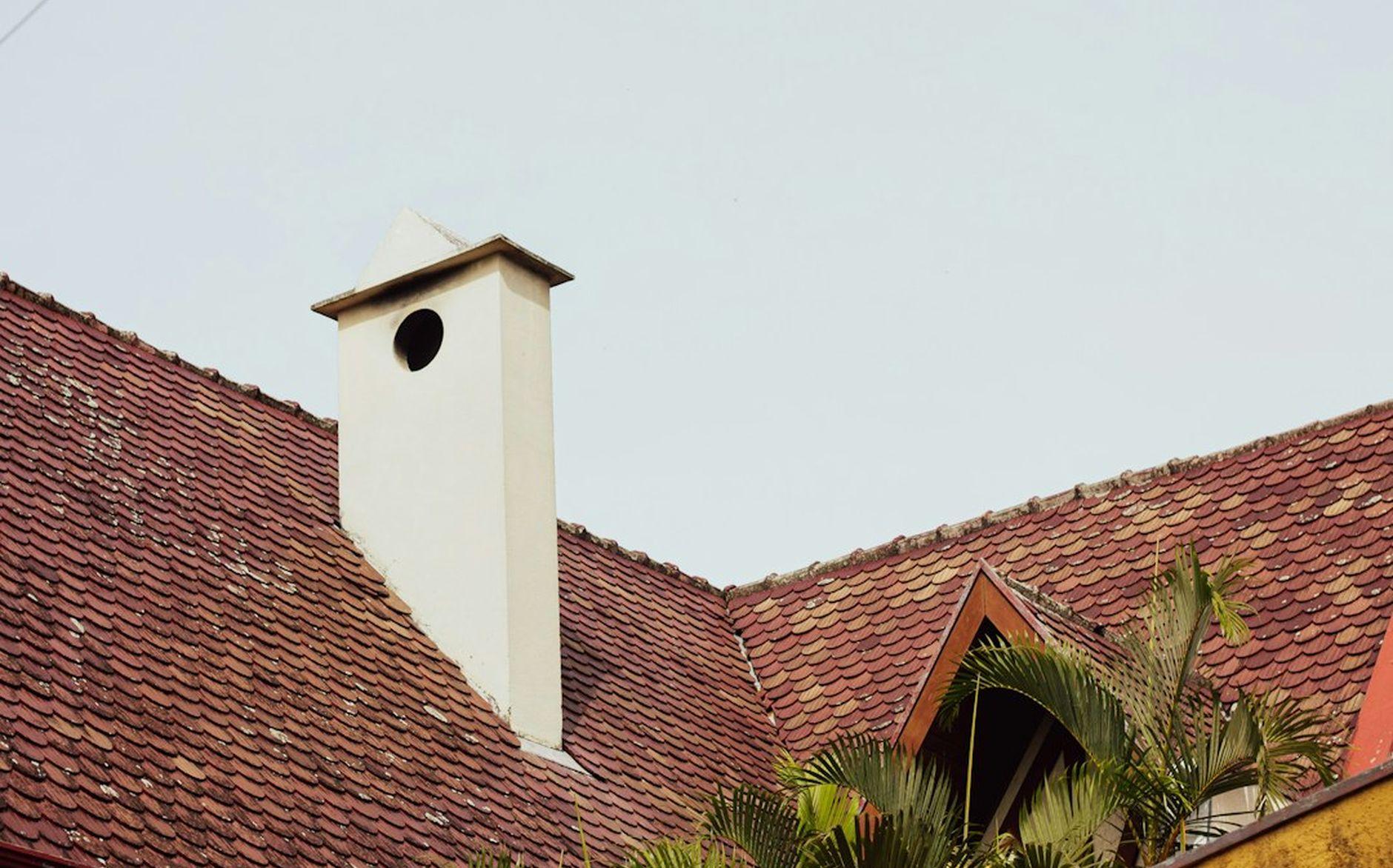
A camera run that shows cracked clay tile leaves an Orange homeowner with a choice that sounds simple and is not: put a new liner inside the chimney, or take the chimney apart and build it again. The price gap between the two is large, so it is fair to ask whether the cheaper answer will satisfy the code, the insurer and the next buyer. Often it will. Sometimes it will not, and the reasons are specific.
What the rules ask of a flue
NFPA 211 expects every chimney serving a fireplace or appliance to have a liner that is continuous, sized for what it vents, and able to contain heat and exhaust without letting either reach the wood around the chimney. Clay tile with open joints or broken sections no longer meets that. Neither does a bare brick flue with no liner at all, which a few very old houses still have.
The standard does not say the liner must be clay. It allows any liner listed for the job, and that is what opens the door to relining.
Relining: what goes in
There are two common ways to reline a masonry chimney.
Stainless steel. A flexible or rigid stainless liner, listed for the fuel being burned, is lowered from the roof and connected at the bottom to the fireplace or appliance. For wood fireplaces and inserts it may be wrapped in insulation so it meets the clearance the listing requires. This is the usual choice for gas appliances, inserts and stoves.
Cast-in-place. An inflatable form goes down the old flue, and a cement made for high heat is pumped in to fill the space between it and the brick. Once the form comes out, a smooth new flue is left behind, and the old masonry gains some strength. It suits chimneys with damaged tile in an otherwise sound stack.
Either one, installed to its listing with a cap at the top, brings the flue back into line with the standard. Neither one repairs the outside of the chimney.
When relining is the right answer
- The brick and mortar outside are sound, with only minor joint wear
- The chimney stands straight and is tied to the house where it should be
- The crown can be repaired or replaced at the top without rebuilding the stack
- The damage is inside: cracked tile, open joints, missing mortar between tiles
- You plan to use a gas appliance or insert that needs its own liner anyway
In those cases relining costs far less than rebuilding, takes less time on the roof, and passes inspection.
When the chimney has to come down
- The stack above the roof leans, has shifted on its base or has visible gaps between courses
- Brick is soft, crumbling or falling apart when touched
- Cracks run through the masonry, not just the tile
- Earthquake damage has separated the chimney from the house
- The flue path inside is offset or broken so badly a liner cannot pass
Lining a chimney like that is putting a new pipe inside a structure that may not stand up in the next strong shake. An insurer that sees a leaning stack on the roof will not be reassured by a new liner, and neither will a city inspector if the work needs a permit.
The middle ground
Many Orange chimneys fall between these lists. A common case: the lower chimney is sound, the top few feet above the roof are loose, and the tile inside is cracked all the way down. The fix is a partial rebuild of the upper part, done to current reinforcing rules, followed by a new liner through the full height. That combination costs less than a full rebuild and leaves a flue that meets the standard from top to bottom.
What the visit and quote cover
We do not choose between relining and rebuilding from the ground. A Level 2 inspection at $410 puts the camera through the flue and gives us the attic and roof views needed to judge the masonry. From there, the written quote states:
- Which approach we recommend and why
- The liner type, size, length and its listing
- Any masonry repair needed at the top, and the crown and cap
- Whether a permit is needed, which is common for rebuilds and for liners serving new appliances
- The total for each option if both are reasonable
Neither relining nor rebuilding has a published price on our list, because both depend on the height of the chimney, the condition of the brick and what the flue will serve. That is why the inspection comes first.
Request a written relining or rebuild quote
How the choice looks in a sale
Buyers' agents in Orange often ask whether a chimney with cracked tile was relined or rebuilt, and with what. A listed stainless liner with installation paperwork answers that cleanly. So does a permitted rebuild. A crack sealed with mortar from inside, with no paperwork, tends to reopen the conversation in the next escrow.
If you are planning to sell within a few years, we keep that in mind when recommending an approach.
More on each option
Our liner installation page covers liner types in more depth. The rebuild page explains what a rebuild involves, and the seismic retrofit page covers bracing when the chimney is sound but tall. For a house you are buying, see the home sale inspection page.
Starting with the flue in Orange
If a camera has already found cracked tile, or you suspect it has, send a request from the contact page with the address and what the fireplace burns, and we will set up the inspection that decides between the two.
Is This Rule Coming Up at Your House?
Addison Chimney Works inspects from Orange at the level your situation calls for, writes each finding beside the standard it concerns, and prices any repair line by line, with permit steps shown where the city requires them.