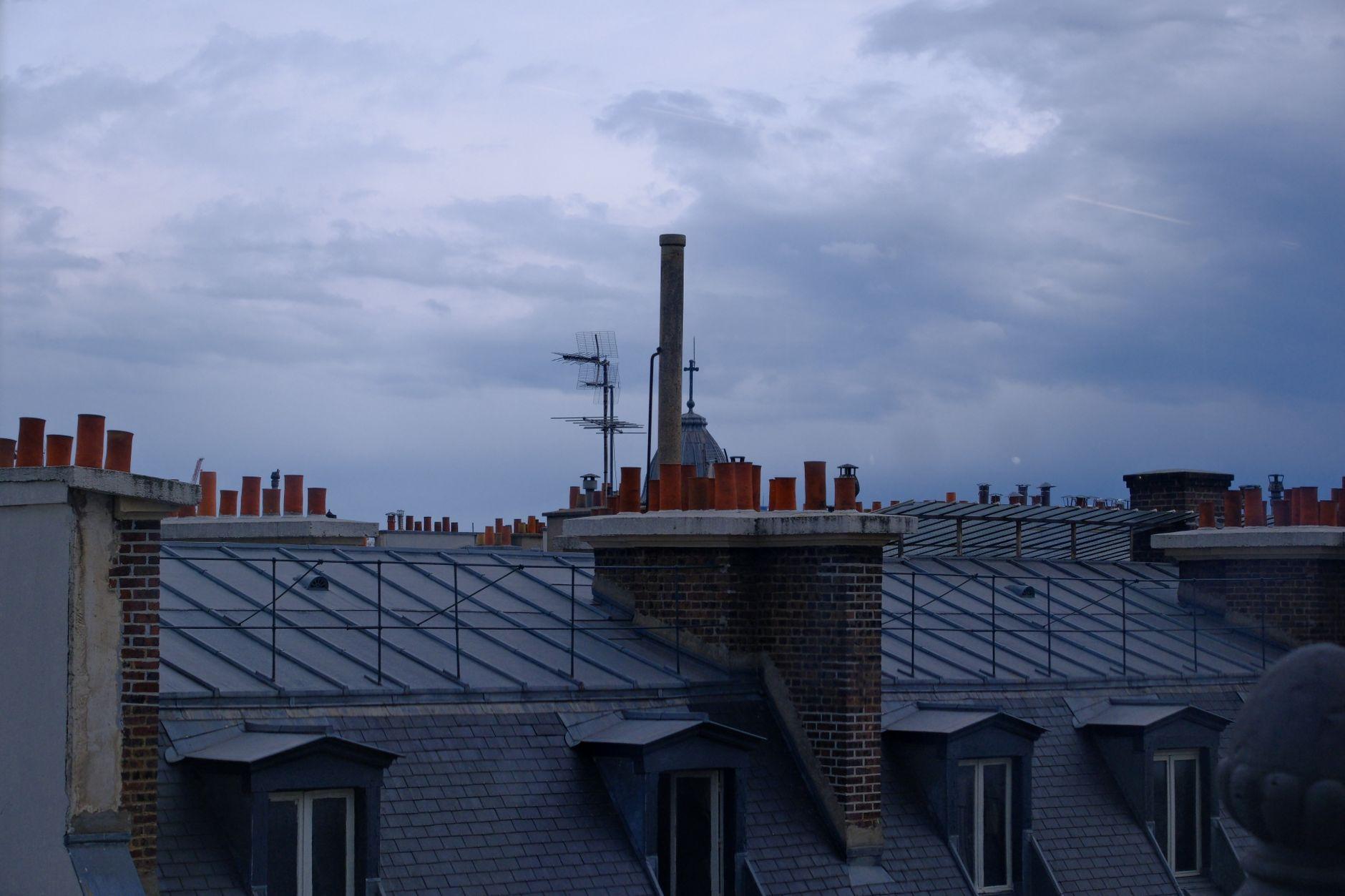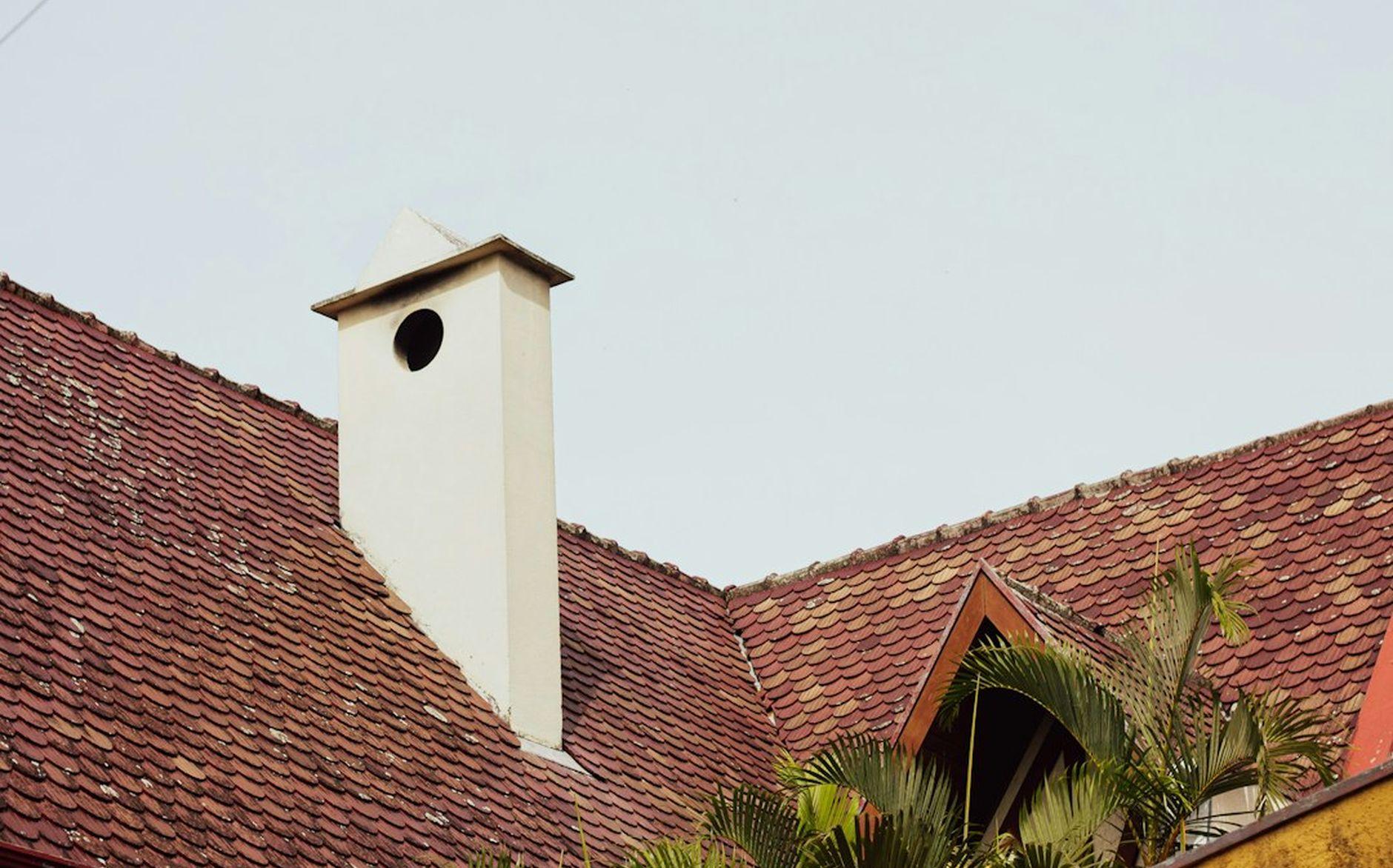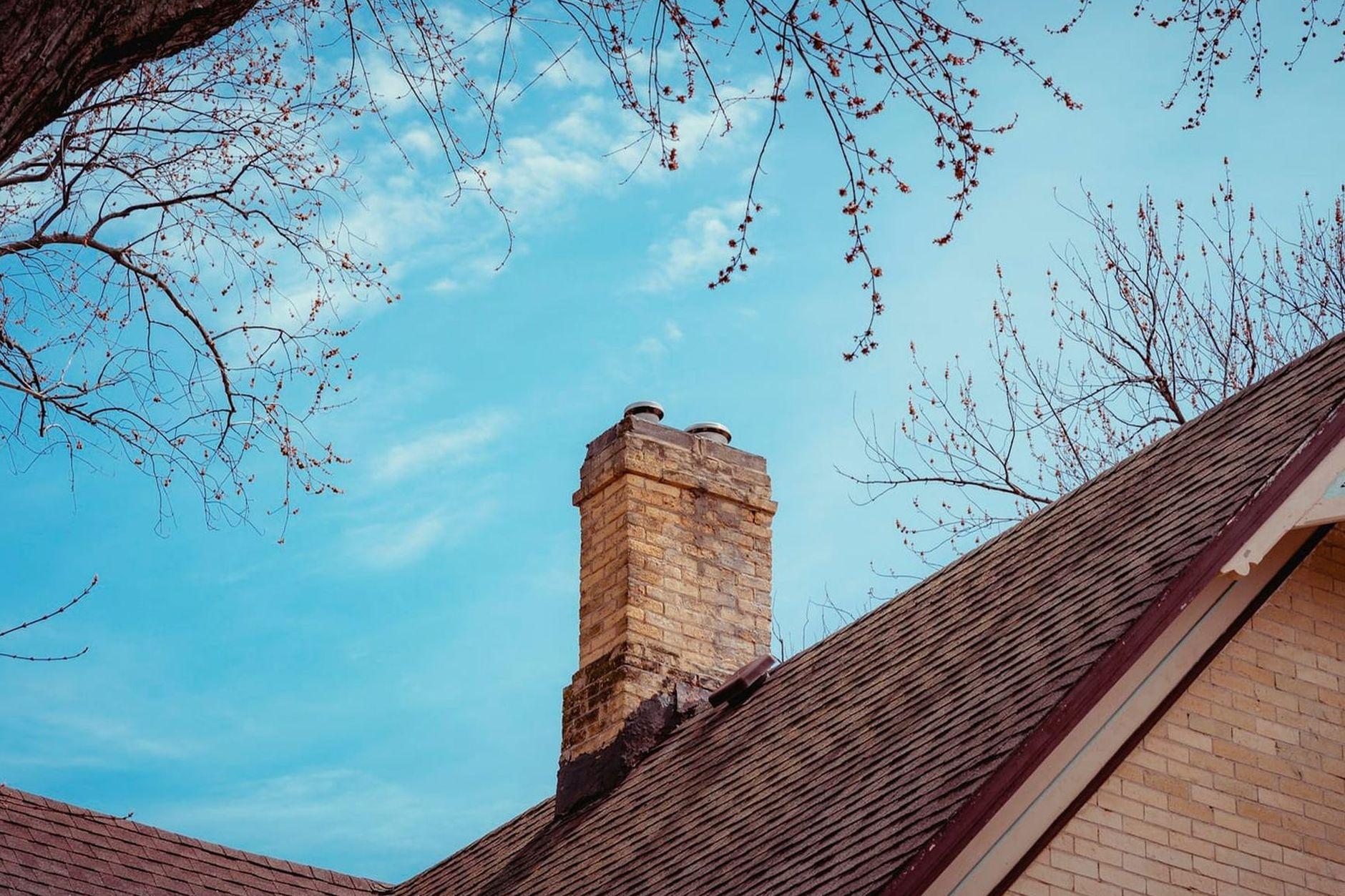
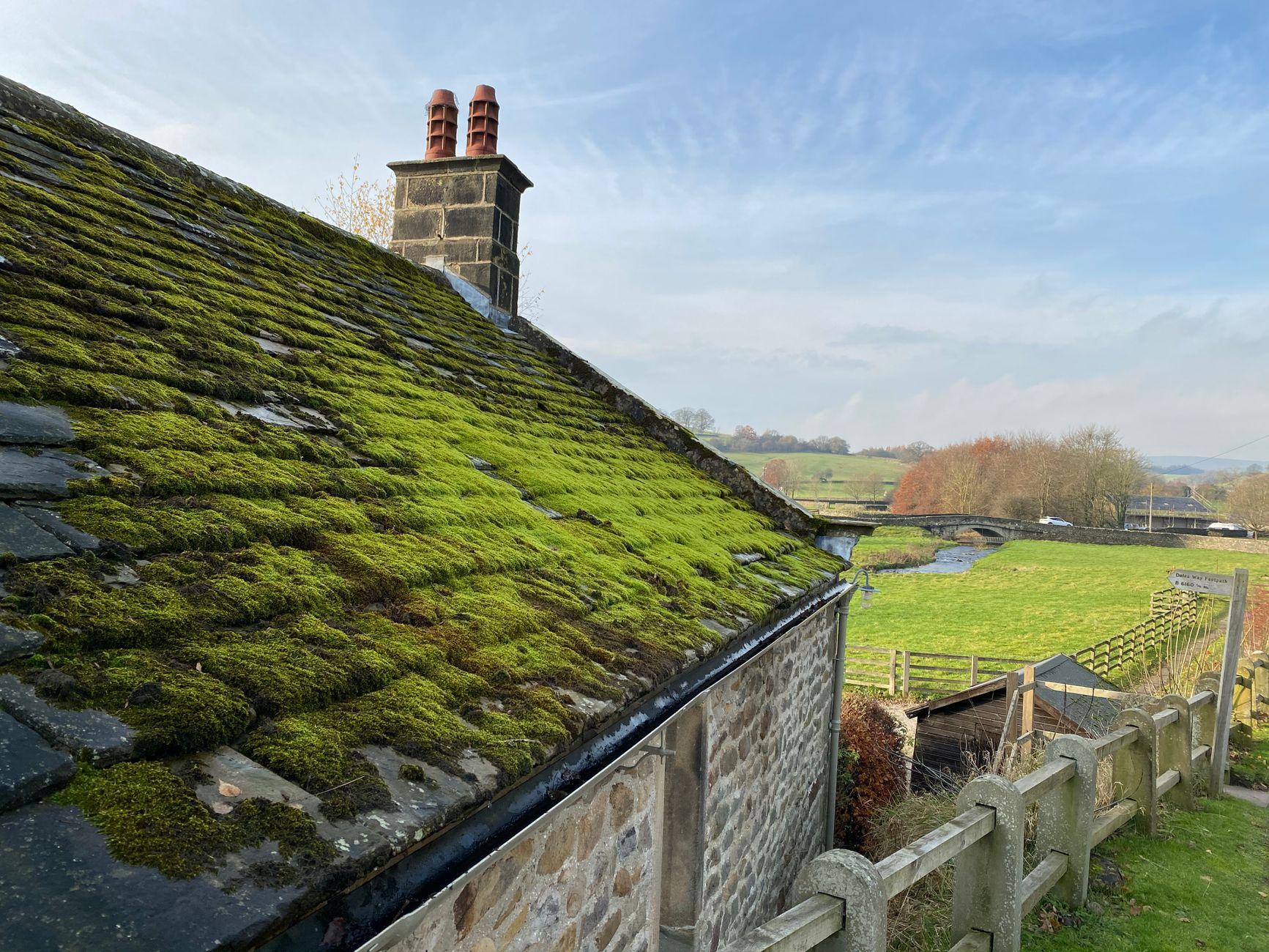
Where the money goes
Addison Chimney Works fits chimney caps in Orange, quoted on site, installed and fastened. Your flue, the metal and the crown set the price. The simplest job is a stainless cap clamped onto one round clay tile on a single story ranch house. The biggest job is a made-to-measure cover that spans a wide brick stack with three flues on a steep concrete tile roof in the eastern hills. Both count as a cap, and both are honest prices for what they are.
So the useful question is not the average. It is what your roof needs, and whether the cap you buy will satisfy the people who look at it later: a city inspector after an insert goes in, a home inspector during a sale, or an insurer walking the lot in a fire zone. The rest of this page answers both.
Three rulebooks meet at the top of the flue
NFPA 211. This is the fire safety standard most inspectors and insurers reach for when they judge a chimney. It treats whatever sits on top of the flue as part of the venting system. A cap must not shrink the opening below what the fireplace needs to draw, and it must be built from metal that stands up to heat and flue gas for years.
The California Residential Code. The city of Orange enforces it on permitted work. For masonry, it wants the flue to finish at least three feet above the point where the chimney leaves the roof and two feet higher than any part of the building within ten feet. Where a spark arrestor is fitted, the code asks that its open area stay generous, that it keep embers in, and that it lift off so the flue can be brushed. A cap welded shut to the tile fails that last test.
Fire hazard mapping. Parts of Orange, mostly toward the canyons on the east side, sit in mapped fire hazard severity zones. There, a wood-burning chimney without an ember screen is a likely write-up from the fire authority or an insurer. We look up the address before quoting, because it decides whether a plain rain hood is enough or the screened version is the one to buy.
The details that move your number
- How many flues. One tile, one cap. Two or three tiles sharing a crown usually get one cover over all of them, which costs more than any single cap but less than three.
- Tile shape and size. Common round and square tiles take stock caps. Oversized or irregular tiles push the job toward a fabricated piece.
- Metal. Stainless suits most houses. Copper is chosen to match other copper on the home and costs more.
- The crown underneath. A cap that grips the tile hardly relies on the crown. A multi-flue cover bolts into the masonry, so the crown has to be solid enough to hold anchors.
- Getting there. Low composition shingle is quick. Clay or concrete tile, a second story or a steep pitch adds setup and care so tiles are not cracked on the way up.
- Metal fireplaces. A factory-built unit is listed with one particular termination. The replacement has to match that listing, which can mean ordering by model number rather than by measurement.
Most of what sets your price is settled in a short phone call: number of fireplaces, one or two stories, roof material, and whether the fireplace burns wood or gas. The rest we confirm on the roof.
Ask Addison Chimney Works for a written cap quote
Caps we find that would not pass
Plenty of caps on Orange roofs look fine from the sidewalk and still fall short.
The most common is a screen clogged with soot. On a wood fireplace it slows the draft and pushes smoke back into the room. On a gas appliance it is worse, because the exhaust it traps includes carbon monoxide.
Next is the wrong size. A cap built for a smaller tile, perched on the rim and tied down with wire, will shift in a Santa Ana wind and can end up on the roof or in the yard.
Then the homemade cover: a flat sheet of metal laid over the crown with no gap at the sides. It keeps rain out by choking the flue.
Painted galvanized caps rust in a few seasons. The mesh breaks open, the ember protection goes with it, and orange streaks run down the brick.
Last, metal fireplaces wearing masonry caps. Once the termination no longer matches the maker's listing, a home inspector or insurer has grounds to call the whole system out of compliance.
Why the cap keeps coming up in sales and renewals
A buyer's general inspector will almost always mention a missing or damaged cap, and that one line tends to grow into a repair request in escrow. An insurer inspecting a home in a fire zone may photograph the roof, and an unscreened chimney is an easy note to write. Of all the things that can be flagged on a chimney, a cap is among the least costly to clear.
It also protects what is below it. Orange gets most of its rain in a handful of winter storms. Water that lands in an open flue has nowhere to go but the damper and the smoke chamber, and those are the parts that rust and crumble first. Birds and raccoons find open flues in spring, too, and a nest above the damper is a fire waiting for the first cold night.
What we do on the visit
We climb up, measure the tile and the crown, check the chimney height against the roof clearance rule, and look at the top courses of brick and mortar. We confirm what the fireplace burns. On a factory-built system we read the label plate where it can be reached. The written quote names the cap, the metal, how it attaches and the price.
If the top of the chimney has a bigger problem, such as a crown breaking into pieces, a new cap on top of it would be money spent in the wrong order. We say so, and the quote lists the crown work as its own line so you can see both numbers.
Related pages: cap installation, crown repair and the Level 1 inspection at $175, which covers the cap along with the rest of the visible chimney.
Book a cap in Orange
If your chimney top has nothing on it, or what it has would not survive a careful look, reach us through the contact page with the address and the roof type, and we will set a time to go up and measure.
Is This Rule Coming Up at Your House?
Addison Chimney Works inspects from Orange at the level your situation calls for, writes each finding beside the standard it concerns, and prices any repair line by line, with permit steps shown where the city requires them.